Reviews





Every technician is IICRC certified and has handled hardwood floor water damage many times. You get a clear plan before any work starts.
The quote is free and you see the price before work begins. No surprise charges at the end.
Call now and a real person picks up. We ask a few questions and send a crew, so the water stops spreading sooner.
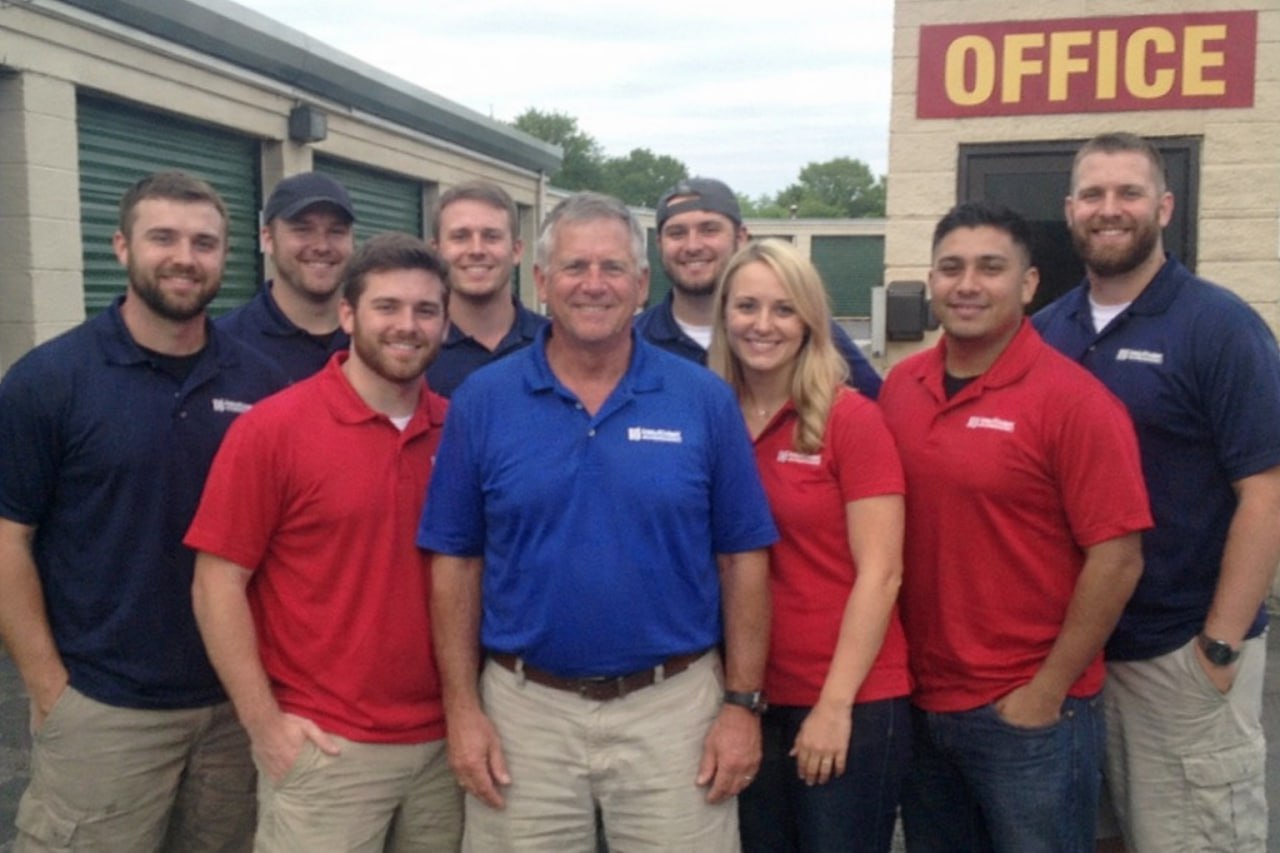
When you call about hardwood floor water damage, you reach a restoration team that works in Lynchburg every day. We tell you what it will take, give you a clear quote and get a crew moving.
Wood floors react to water quickly. As the wood absorbs water along its edges and bottom face, it expands, crowds the neighboring boards and cups, leaving the center lower than the sides. Cupping alone is no reason to give up on the floor. Boards of solid wood often return to flat if they are dried during those early days. The key is pulling moisture out of the boards and the subfloor underneath at a steady, controlled pace.
We dry hardwood with floor drying mats. A vacuum unit attached to the sealed mats lifts water out by way of the seams and the wood itself, and dehumidifiers hold the room air at a dry level. Compared with carpet or drywall it is slower, commonly a week or more. No sanding should happen before the wood has dried completely. Sand a cupped floor too soon and it will crown later.
Water under a floor travels. It can reach under cabinets, wall plates and into neighboring rooms, or drip through to the ceiling of the level beneath.
If cupped boards get sanded level before they dry, the high edges are ground away. When the wood finishes drying, the centers end up high and the floor is crowned.
Heavy airflow or heat dries the face of a board well ahead of its core. Boards may then split, crack or shrink apart for good.
Lingering moisture rusts the fasteners, which then hold the boards less firmly. It can leave black staining around each fastener that goes deeper than a sanding reaches.
We save what can be dried properly and remove only what cannot. Moisture readings make that call, not guesswork.
Ask a Tech: (623) 352-0605| Material | Can usually be saved when | Has to be replaced when |
|---|---|---|
| Solid hardwood | Cupped boards still fastened down, when drying starts within days | Boards that buckled, cracked or turned black, plus anything touched by sewage |
| Floor finish | Light clouding that clears or buffs out once dry | Finish that peels or is stained, requiring sanding and new coats |
| Baseboards and shoe molding | Real wood pieces with no swelling or splitting | Swollen or crumbling shoe molding and MDF base |
| OSB or particle board | Only OSB showing no edge swell | Swollen OSB and nearly any wet particle board |
| Engineered hardwood | Brief surface water with no swelling at the edges | Any plank peeling into layers, puffed at edges or damp beneath |
Seams let the water through, and it fans out in the layer between flooring and subfloor. You can towel off the top and still have a saturated underside.
Boards swell and the edges rise. A cloudy look can appear in the finish. The bare underside of the boards and the subfloor are where mold can start.
Swelling builds pressure across the floor. Boards crush against each other, fasteners loosen and sections can begin to lift off the subfloor.
Buckling, black staining and mold under the boards become likely. Drying is usually no longer enough, and the bulk of the wet flooring has to be replaced.
Readings are taken in the boards and the subfloor, and on dry flooring close by as a reference. That tells us how deep the water went and whether saving the floor is realistic.
Standing water is extracted right away and rugs and furniture are moved off the wet area. Boards swell less when the seams stop taking in water sooner.
We tape drying mats to the floor and attach them to a vacuum system, which draws moisture upward through the wood. Dehumidifiers control the room so the wood dries evenly without cracking.
Every day or two we take new readings, continuing until the subfloor and boards match the dry reference spots. Our final advice is one of three outcomes, no further work, swapping a few boards, or refinishing the floor.
Have a different question? Call us and we will answer it over the phone.
Call (623) 352-0605Don't wait for small problems to become expensive emergencies. Call Lynchburg Restoration for fast, reliable service.
Call (623) 352-0605 Now