Reviews





Filing a claim is easier with good records. We document everything and talk to your adjuster for you.
Water does not wait for business hours, and neither do we. Call any time and we will get a team moving.
Our crews are certified, insured and equipped for wet carpet drying. They find the hidden moisture and dry it properly.
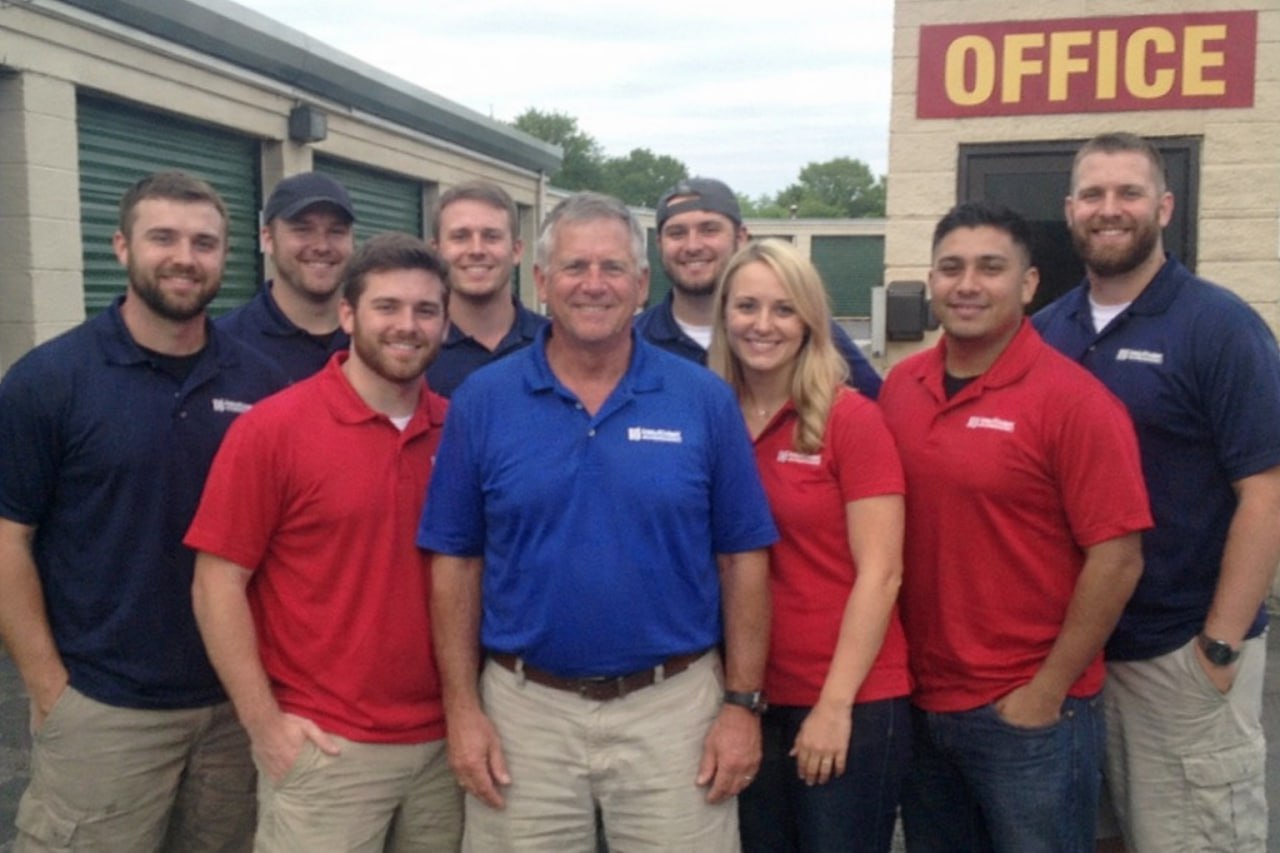
Most people who call us have never dealt with wet carpet drying before. We walk you through it on the phone, then send a local crew with the right equipment.
There is always more water in a soaked carpet than the surface suggests. Often the pad is full of water and the subfloor is wet beneath it, even when the fibers you touch feel only slightly damp. Towels and a shop vacuum reach the top layer and little else. For Lynchburg homes, our crew handles the extraction, meters the carpet, pad and subfloor, and runs drying gear that gets to the bottom layer.
Whether the carpet can be saved depends on two things, how clean the water was and how long it has been wet. If the water came out of a clean supply line and we reach it fast, the carpet can normally stay down while it dries. With an appliance leak, which is gray water, we often discard the pad, then clean and treat the carpet. Sewage or outside flood water means carpet and pad both come out.
It depends on the material, how long it stayed wet and how clean the water was. We test before we decide, and we tell you why.
Call (623) 352-0605| Material | Can usually be saved when | Has to be replaced when |
|---|---|---|
| Carpet pad | Same day drying of a small patch wetted by a clean source | Soaked beyond one or two days, or the water was black or gray |
| Baseboards | Wood boards still flat after drying, with no gap at the wall | Mold on the back side, or fiberboard that has swelled |
| Drywall at the floor line | Just the lowest edge got damp, and it hardens back up after drying | Contaminated water wicked into it, or it is swollen, soft or moldy |
| Tack strip | Wet briefly, with no rust on the nails and no swelling | Contaminated water reached it, or it shows rust, swelling or mold |
| Plywood subfloor | Moisture readings return to normal and there is no give underfoot | It has gone soft in places, grown mold on top, or started delaminating |
Water travels through the pad far beyond the patch you can see. It moves under walls and into the next room, and the tack strip starts soaking it up.
Bacteria in the damp pad start producing that sour wet carpet smell. Mold can begin growing on the backing and on dust trapped deep in the fibers.
As the latex bonding the backing gives out, the carpet delaminates and starts to ripple. The subfloor swells and the tack strip nails begin to rust.
At this stage, removing both carpet and pad is usually the only option. Mold has often reached the subfloor and the bottom of the drywall, so the job grows.
Thermal imaging and meter readings show us where the water went, closets and the space under walls included. The water category gets identified as well, since it determines what we can keep.
Weighted extraction tools press water out of the carpet and the pad together. A wand by itself leaves much more behind, so this step cuts the drying time afterward.
The carpet is either pulled back so the pad can go, or left down with air blown beneath it, whichever the job needs. Dehumidifiers and air movers stay on until the subfloor and the carpet each test dry.
We treat the carpet and subfloor with an antimicrobial where needed, lay new pad if the old one came out, restretch the carpet onto the tack strip, and clean it.
Under the carpet, water travels until it hits the bottom of the walls. It wicks up into the baseboards and drywall unnoticed, since the carpet hides that edge.
Even clean water goes bad the longer it sits. Soil and bacteria build up in it inside the carpet and pad, and a carpet that was dryable can end up being torn out.
Water many times heavier than the pad itself can sit inside it. The carpet over it and the floor under it keep getting damp from the pad, even once the surface seems dry.
Particleboard and OSB under carpet swell and crumble when they stay wet. Squeaks, soft spots and raised seams show up weeks after the spill is forgotten.
Have a different question? Call us and we will answer it over the phone.
Call (623) 352-0605Take action now and prevent costly damage. Lynchburg Restoration is ready to help.
Call (623) 352-0605 Now