





The whole point of mitigation is to stop the damage from growing. Repair is a different job. Think of it as all the protective work that comes first, aimed at saving what remains sound. In Lynchburg, our team handles mitigation by controlling the source, removing the water, containing the wet area and stabilizing the structure. Good mitigation makes the later repair smaller, and now and then makes it unnecessary.
People often use mitigation and restoration to mean the same thing. Each is its own phase of the job. During mitigation, the urgent part, the loss is halted, its spread is limited and the home is made stable. Once the structure tests dry, restoration takes over and covers repairing or rebuilding finishes, drywall and floors that were damaged. Because an insurer lists each one separately as well, knowing where you stand in the process is helpful.
Four tasks make up most mitigation visits. Source control, so no new water enters. Extraction, so standing water is gone. Containment, using plastic barriers and controlled airflow so moisture and contaminants stay out of clean rooms. Stabilization, which means removing materials that cannot be saved, treating surfaces with antimicrobial, and setting air movers and dehumidifiers. Furniture and personal items are protected too, either relocated or raised on blocks.
When to Call for Water Damage Mitigation in Lynchburg
Recognizing the warning signs early can save you time, money, and prevent significant damage to your property. Watch for these telltale signs that professional help is needed:
- A leak has been stopped but floors, walls or cabinets are still wet.
- Following a water loss, indoor air stays damp and condensation forms on the glass.
- An opening in the roof or at a window lets rainwater enter the building.
- A musty odor has begun because materials stayed wet for a day.
- Baseboards are swelling or pulling away from the wall after a leak.
- The space under your cabinets in the bathroom or kitchen took on water you cannot get to.
- Plumbing repairs are done, but no one has addressed what got wet.
Act Before It Gets Worse
Many water damage problems start small but can escalate quickly into costly emergencies. Call Lynchburg Restoration at (623) 352-0605 at the first sign of trouble.
Water Damage Mitigation Issues? We Can Help.
Call Lynchburg Restoration for fast, reliable service.
Get Help: (623) 352-0605Common Water Damage Mitigation Questions
Should You DIY or Call a Pro?
While some minor restoration tasks can be handled by handy homeowners, most water damage work requires professional expertise, specialized equipment, and proper safety training. Consider the following comparison:
| Factor | DIY Approach | Professional Service |
|---|---|---|
| Water removal | Soaking it up by hand | Pumps and extractors clear bulk water |
| Drying check | Touch test on the surface | Readings logged every visit until dry |
| Insurance documentation | A few phone photos | Dated images and daily meter logs |
| Material decisions | Judging by look and feel | Meter data drives each removal |
| Stopping the source | Shut the valve and hope | Cause verified, isolated, recorded |
Maintenance Tips for Water Damage Mitigation
Taking preventive measures can help you avoid costly water damage issues down the road. Here are our expert recommendations:
- Check under sinks and around toilets monthly for drips, stains or soft flooring.
- Ground next to the foundation should fall away from it, which keeps water from collecting there.
- A main shutoff that will not turn is no help, so locate and test yours.
- Roof penetrations, door frames and window edges should be sealed ahead of the next big storm.
- Schedule an annual water heater inspection and swap the unit out before its tank gives way.
- An automatic valve on the main line can cut the water as soon as it detects a leak.
Questions About Water Damage Mitigation?
Our experienced technicians can assess your situation and recommend the best solution.
Get Help: (623) 352-0605Why Hire a Professional for Water Damage Mitigation?
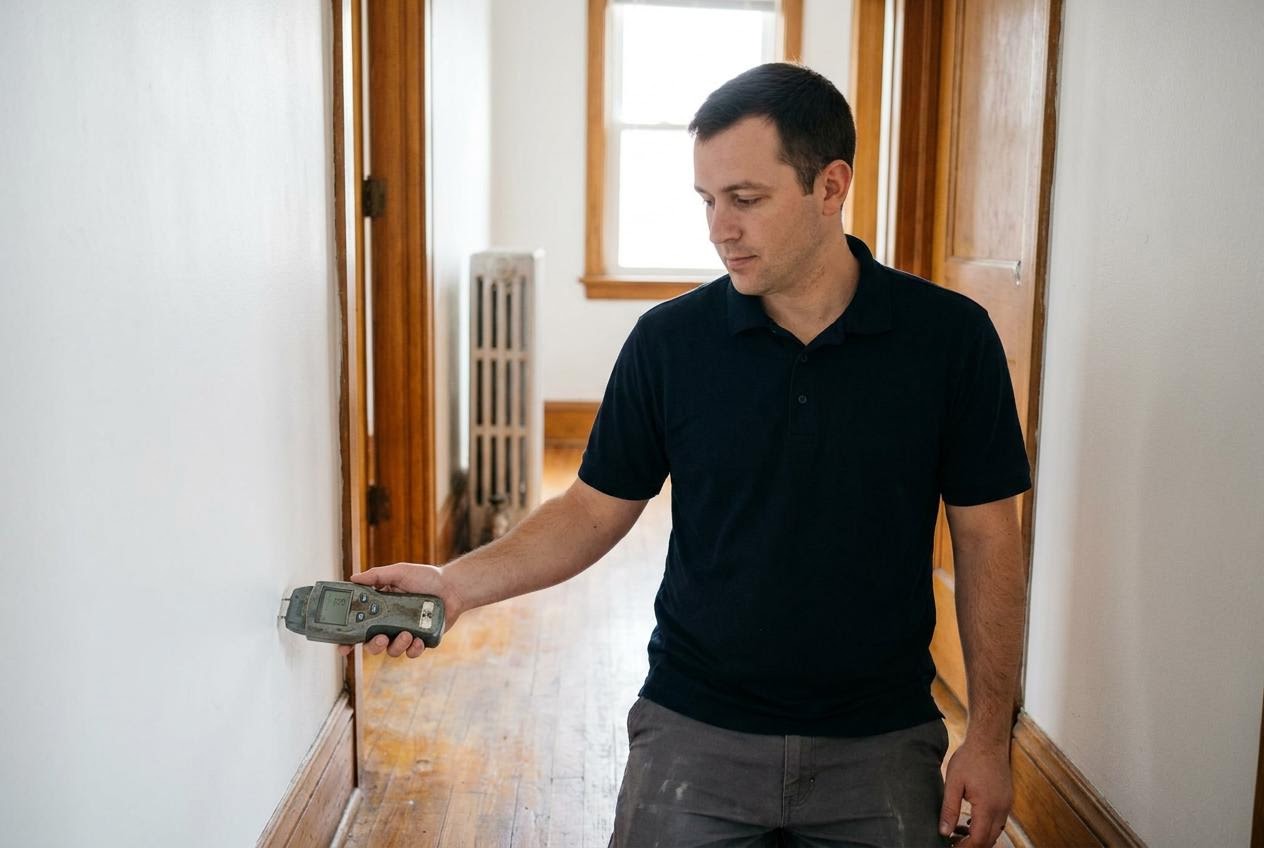
Mitigation is a series of judgment calls made quickly. What drywall stays and dries where it is, and what must be removed? Has the water shifted category since the leak started, and is it Category 1, 2 or 3 now? Is removing the cabinet toe kick necessary? Each decision rests on meter readings and our training, never on whether something seems dry to the eye or hand.
Your insurance claim benefits from proper mitigation too. Under most policies you must act reasonably to keep the damage from growing, with proof that you did. Arrival photos, daily moisture readings and an inventory of removed materials all go into our records. That file shows what the water did and what was done about it. The repair contractor gets a clear place to start as well, without hidden moisture waiting behind fresh drywall.
Water Damage Mitigation, Step by Step
We follow a proven process to ensure every job is completed to the highest standards. Here's how we handle water damage mitigation from start to finish:
Control the Source
The supply gets shut off, the broken line capped, or the opening letting water in tarped and boarded. Should a lasting fix require a plumber or a roofer, our team coordinates when that happens.
Extract the Water
We extract standing water using pumps and extraction units, then check carpet and its padding. Drying machines on their own cannot limit damage the way prompt bulk extraction does.
Contain Wet Areas
We isolate the affected rooms from the rest through airflow control and plastic barriers. That way dust, humidity and contaminants do not move through the home during the work.
Stabilize the Structure
Unsalvageable materials are removed, surfaces get antimicrobial treatment, and air movers and dehumidifiers are set. Moisture readings are recorded on every visit until the structure can be repaired, typically in 3 to 5 days.
Talk to a Water Damage Mitigation Expert
Don't let water damage problems get worse. Call Lynchburg Restoration now for prompt, professional service.
Call (623) 352-0605 Today